Your facility needs regular sanitation protocols tailored to unique hazards, daily throughput, food allergens, and regulatory visits, including auditable records confirming HACCP requirements, inspection compliance, and health department standards. The information following provide details about essential cleaning protocols.
Important Highlights
- Sanitation specialists in Brampton support restaurants, grocery departments, commissaries, warehouses, bakeries, schools, mobile vendors, and allergen-sensitive operations.
- Zone-based workflows disinfect frequently contacted areas, food-contact equipment, kitchens, floors, drains, restrooms, and storage areas for reducing cross-contamination.
- Validation of proper chemical concentration, suitability, and contact time is conducted by qualified specialists, with finalization documented using tests, reviews, and action records.
- Sanitation timelines should adhere to danger, output capacity, format changes, releases, and guidelines, with everyday, recurring, and cyclical activities distributed by zone.
- Choose providers with HACCP, health regulatory, knowledge, WHMIS, training, insurance, credentials, colour-coded implements, and compliance-ready cleaning paperwork.
Food Safety Cleaning Requirements for Brampton Facilities
Food safety cleaning is required for any Brampton facility that manages, stores, prepares, packages, or distributes food. Apply it to your operation if it is subject to public health review, food regulations, or HACCP protocols. This includes dining establishments, break rooms, distribution centers, market departments, meat shops, fish areas, stores, and food prep kitchens.
You'll additionally need documented food sanitation in storage centers, processing facilities, refrigerated warehouses, bakery retailers, school nutrition programs, event halls, and delivery centers. Portable business models are included, such as catering trucks, festival vendors, and pop-up food booths. When your employees handle raw materials, divide prepared dishes, warm finished meals, or maintain allergen storage, your facility requires written cleaning standards. In Brampton, cleanliness continues to be required; it comprises legal, operational, and consumer protection compliance.
What Services Do Brampton Cleaning Experts Provide?
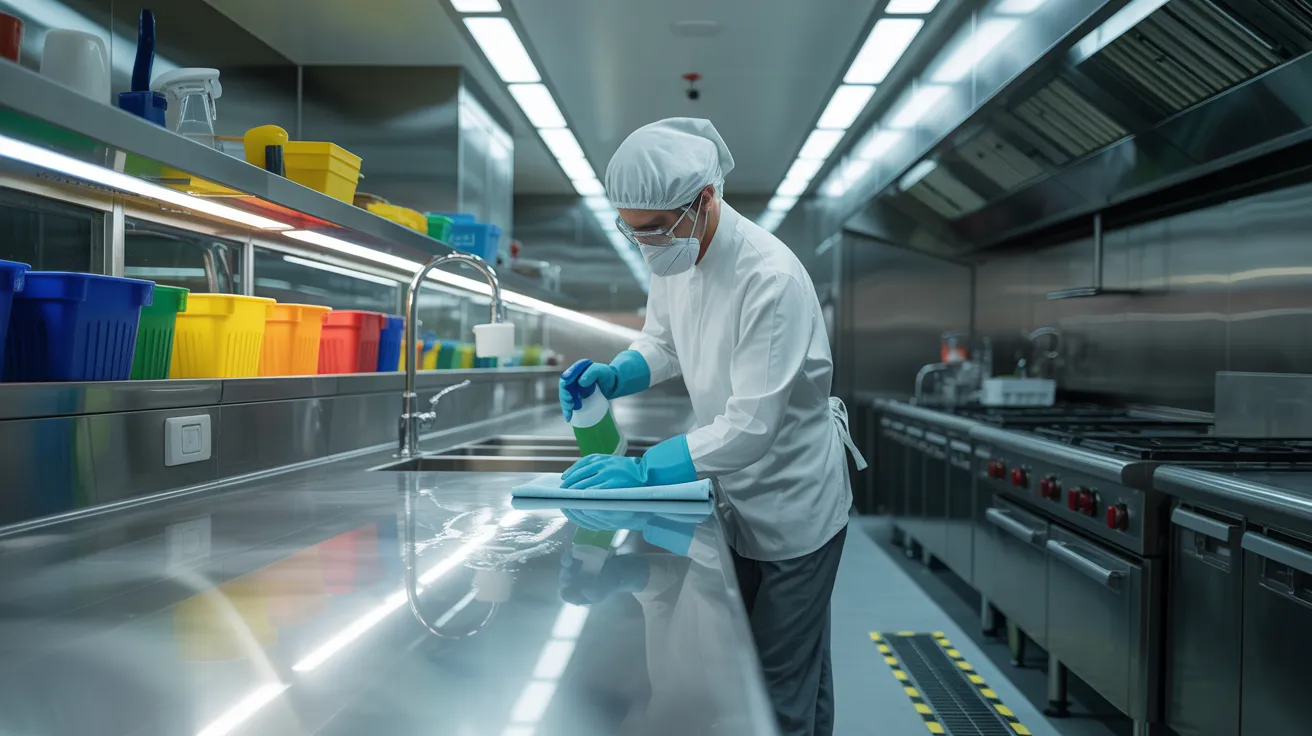
You need skilled cleaning experts who disinfect high-touch surfaces, cooking areas, flooring, and restroom facilities to maintain food safety and public health requirements. These areas are targeted because they carry the greatest contamination risk, slip and fall dangers, and regulatory breaches.
Understanding their cleaning procedures enables you to validate your facility's cleaning meets required standards and regulations.
High-Touch Surface Sterilization
organize disinfection timing based on foot traffic, environmental hazards, and business activities.
confirm that disinfection is proper and enable improvement actions when results fall exceed acceptable limits
Food Prep Areas, Flooring, and Sanitary Facilities
Brampton cleaning professionals will address kitchens, floors, and restrooms since each space presents separate hygiene concerns, injury, and community health challenges. In industrial kitchens, you need grease removal from cooking stations, appliance surfaces, drain systems, preparation areas, and backsplashes to reduce bacterial growth and pest activity.
You should also expect documented flooring maintenance. is also provided as part of the service.
In restrooms, cleaners disinfect contact surfaces, bathroom hardware, partition walls, accessory dispensers, and receptacles then restock supplies and control odours. They also service restaurant moprooms, where chemical storage, sink hygiene, and drainage conditions can affect sanitation compliance and staff safety daily.
Food Safety Cleaning Significance for Brampton Businesses
To adhere to health code requirements and pass inspections, Brampton establishments must follow appropriate cleaning protocols. You also minimize bacterial spread through proper cleaning of food-preparation surfaces, appliances, and frequently-touched items. Most importantly, you safeguard public health by lowering the risk of foodborne illness in your facility.
Health Code Compliance
Food operations in Brampton face stringent health requirements, making food safety cleaning vital to fulfilling health code requirements, ensuring the safety of patrons, and avoiding enforcement action. You must maintain hygienic food handling zones, documented cleaning schedules, proper chemical use, and verifiable staff procedures that meet municipal and provincial inspection expectations.
When cleaning standards deteriorate, notices, compliance orders, loss of reputation, and service interruption from subsequent audits or compliance reviews become risks.
Cross-Contamination Prevention
Meeting regulatory requirements also depends on your capacity to stop cross-contamination during daily food handling and cleaning. You must keep raw items away from prepared dishes, sanitize prep surfaces between tasks, and keep cleaning products separate from food areas. Established guidelines minimize contamination chances and support consistent compliance during inspections.
You should establish allergen separation to prevent major allergens from touching shared surfaces, containers, or equipment. Employ separate boards, labeled implements, and careful equipment identification so staff don't mix items throughout cooking or serving. Mandate washing hands following uncooked proteins, shellfish, egg items, or allergen products. Replace wiping cloths regularly, and verify sanitizer strength with test strips. When you train staff to follow these controls each work period, you build a more hygienic, secure workplace that meets Brampton's food safety expectations daily.
Community Health Assurance
When food safety cleaning breaks down, you don't just risk a failed inspection—you heighten the likelihood of foodborne illness impacting customers, staff, and the wider Brampton community. You also weaken your role in safeguarding community wellness, especially in high-traffic food premises where pathogens travel quickly through surfaces, equipment, and touchpoints.
You must implement sanitation protocols that remove soils, properly disinfect, and ensure effectiveness. This entails adhering to contact periods, utilizing authorized sanitizers, maintaining records, and training employees to meet health-unit expectations. These actions support pathogen control by suppressing pathogens before contaminating food or hands. In Brampton, robust sanitation protects at-risk groups, curtails outbreak likelihood, and demonstrates accountability. When you maintain standards, you exceed requirements—you substantially reduce risk and advance safer food handling throughout the city.
In What Ways Does Cleaning Help Achieve Food Safety Compliance?
Embracing rigorous cleaning routines reinforces food safety compliance by decreasing contamination threats, managing pathogen expansion, and ensuring your facility complies with sanitation requirements under HACCP-based programs and public health regulations. You ensure that product-contact areas remain visibly clean and microbiologically controlled, supporting documented preventive controls and inspection readiness.
Systematic cleaning also solidifies allergen prevention by extracting residues that can trigger undeclared allergen exposure. When you combine verified sanitation methods with regulatory training, your staff can execute uniform procedures, employ approved chemicals appropriately, complete records properly, and manage discrepancies prior to escalation occurs. Regular cleaning supports audit trails, confirms corrective actions, and learn now proves due diligence when audited. Furthermore, it aids you preserve product integrity, preserve regulatory compliance, and reduce the chances of punitive measures, mass recalls, grievances, and unnecessary health dangers.
What's the Ideal Time to Schedule Commercial Cleaning?
Elevate cleaning frequency during peak output, product changeovers, spill incidents, and after maintenance work.
facility shutdowns, seasonal-related soil buildup, or pest-related pressure windows.
What Should You Look For in Brampton Cleaning Experts?
Evaluate providers first by food-safe sanitation requirements rather than cost. You must ensure each provider understands CFIA, public health, and HACCP requirements for your business. Request proof of insurance, WHMIS compliance, staff training documentation, and supervision methods. Check technician understanding of contamination prevention, chemical handling, and traceable sanitation records.
You should further examine operational reliability and answerability. Request references from food facilities in Brampton, then review response times, corrective action plans, and communication protocols. Validate the company supports supplier audits and can supply compliance documentation to authorities or external parties. Confirm equipment receives maintenance, colour-coded tools are used appropriately, and facility-specific risks are recognized. A experienced service protects compliance, product quality, and your reputation in the market.
What aspects should a sanitation plan include?
Create a written plan that defines every sanitation duty, guideline, and expectation prior to beginning production. You should document cleaning frequencies, approved chemicals, dilution rates, contact times, tools, and verification methods for each area, section, and machine. Don't forget to add pre-operational inspections, corrective actions, and employee training requirements.
Your strategy should also tackle prevention of contamination, waste management, pest-control tactics, and scheduled records for restrooms, drains, floors, and food-contact areas. Outline how you'll distinguish between uncooked and prepared items, support ingredient tracking, and keep accurate allergen labeling through validated cleaning between product changes. You should assign accountability, document signed records, and evaluate results against regulatory standards, HACCP controls, and customer requirements. When gaps appear, modify procedures immediately and instruct staff.
Commonly Asked Inquiries
Will sanitation providers handle overnight shifts at Brampton properties?
Yes, you can set up cleaning services to handle overnight shifts in Brampton facilities. You'll manage overnight sanitation around production schedules, access requirements, and staffing levels. Services typically outline nightshift logistics to minimize interruption, maintain standards, and document finished tasks. You should confirm timeframes, management, lockout protocols, and waste management before service starts.
Will Brampton cleaning experts address emergency spills?
Yes, you can discover many Brampton cleaning professionals providing spill response options. They handle hazardous incidents, evaluate risks, contain affected zones, and initiate rapid cleanup to minimize exposure and avoid operational impact. You should confirm timeframes, certifications, PPE measures, and disposal methods. If your facility must meet compliance standards, select a service that documents events, follows procedures, and ensures audit compliance.
Can environmentally safe disinfectants be applied securely on surfaces contacting food?
Yes, natural disinfectants can be secure for food-contact surfaces if you pick items marked food-safe and meeting regulatory standards. You should validate contact duration, mixing proportions, and rinsing needs before use. Many plant-derived products decrease toxic chemical contact, but you require demonstration of efficacy against target microorganisms. To ensure residue-free conditions, you should follow precise manufacturer instructions and ensure the disinfecting agent meets food industry regulations.
Do cleaning schedules support seasonal shifts?
Certainly, cleaning schedules accommodate seasonal shifts effectively. Adapt timing, personnel, chemicals, and verification steps to correspond with seasonal patterns while sustaining regulatory adherence. Lower production downtime by timing cleaning during changeovers, peak volumes, and equipment use patterns. Further update procedural documents, staff education, and facility monitoring to account temporary risks, new allergens, or increased soiling. Ongoing evaluations ensure your program functional.
Are professional cleaning companies providing staff training on sanitation best practices?
Absolutely, commercial cleaners frequently provide staff training on sanitation best practices. Your team receives training on correct chemical handling, contact times, cross-contamination prevention, machine takedown, and documentation. They typically align guidance with HACCP, GMP, and CFIA or local public health requirements. Many conduct health inspections to ensure adherence, pinpoint weaknesses, and reinforce corrective actions. This enables you to sustain consistent procedures, clear audits, and lower contamination dangers routinely.
Conclusion
By partnering with Brampton food safety and commercial cleaning professionals, you aren't just organizing—you maintain your facility compliance-focused and your standards up to code. From production areas to kitchen zones, every clean surface and organized space decreases contamination and prevents costly issues. By arranging service at appropriate intervals and following a documented cleaning plan, you secure your team, clients, and your standing. In a strictly regulated industry, clean spaces are mandatory—they're essential to successful operations.